
Central America. 6 Weeks. 4 Countries. $2650. Part 1: Costa Rica

That’s right!
We went to Central America for 6 Weeks, visited 4 Countries, and spent $2650 per person.
(And you could too!)
Here’s where we went and what we did!
PART 1: Costa Rica
Getting In
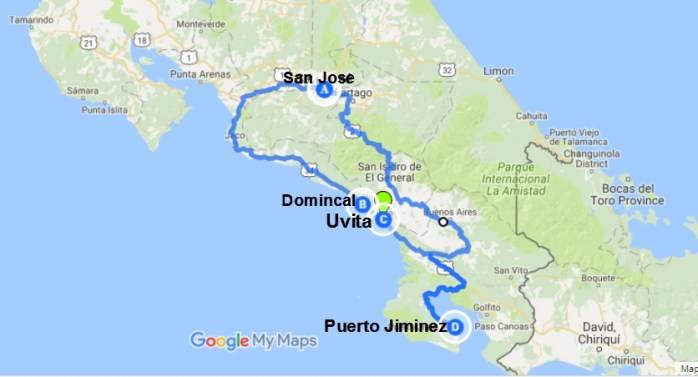
Coming from a Winter in Wyoming, Sean and I made a big change of plans and made our way to Costa Rica. We flew into SJO airport ($150 one-way from Chicago!) near the capital of San Jose, Costa Rica and spent the night there in a cheap hostel ($12 USD). Here’s a step by step guide to get from SJO to downtown San Jose by bus with a link to the hostel as well.
Uvita and Dominical
Upon arrival, we were anxious to get beachside as soon as we arrived in Central America. The next morning, we split a cab with another traveler to the bus station and took a 5 hour bus ride to Uvita on the Pacific Ocean. I decided to pre-book a room on Hostelworld.com and loved everything about Cascada Verde Hostel!! We stayed in a private room with a double bed and shared bathroom for $30 per night for 6 nights. (Dorm beds start at $11/per person). I’ve stayed in dozens of hostels and this might be my favorite one yet! This very clean hostel has a huge kitchen, ideal for those traveling on a budget. We made most of our meals here and ate and relaxed in the large common area complete with multiple tables, picnic benches, and hammocks.
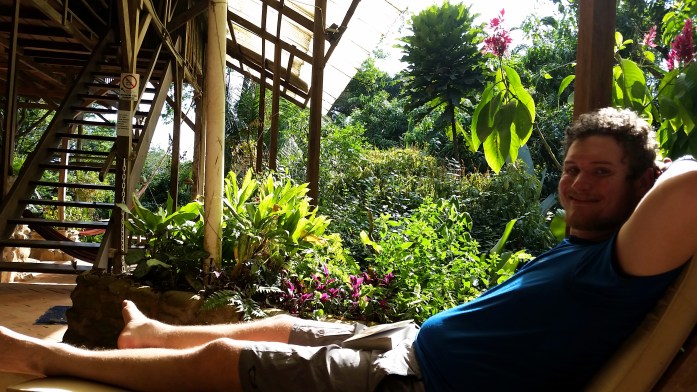
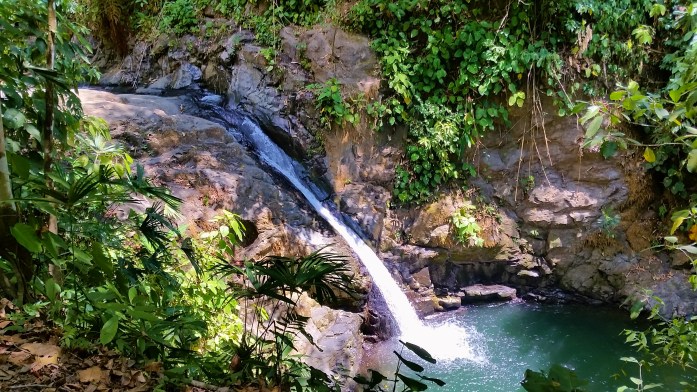
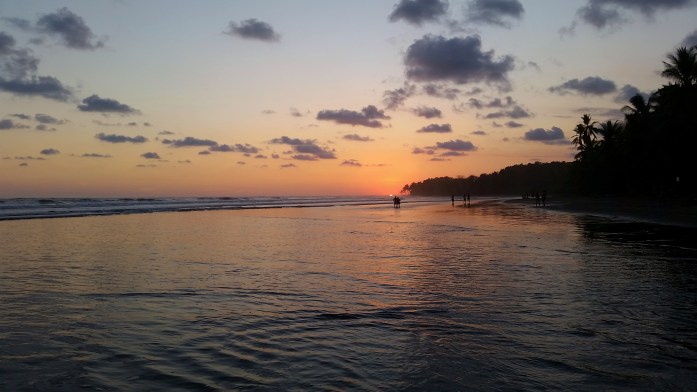
The hostel was also right around the corner from a breathtaking waterfall perfect for cooling off on those hot and humid days. The beach at Marino Ballena National Park was about an hour away on foot or a $7 taxi. We spent six days happily lounging in the hostel, at the waterfall, or the beach for less than $30 per day per person.
We also met quite a few volunteers around the hostel. I was informed that a 4-6 hour shift will grant you free accommodation. Contact in advance or just show up and see if they have any volunteer opportunities available to save even more money!
Uvita is about 20 minutes away from Dominical, home of Envision Music Festival. This beach town is all about surfing! If you’re a pro or looking for a lesson, Dominical is the place to go.
Uvita Overview
- Accommodation – Amazing hostel starting at $11 / night!
- Transportation – Getting to and from Uvita and San Jose is simple and affordable with buses running multiple times per day. Once there the grocery store, restaurants, beach, and waterfall are all within walking distance.
- Entertainment – Surfing, swimming, bird watching, yoga, whale watching, boating, scuba diving, fishing
- Food – Restaurants meals can be as cheap as $3 to over $20. You can always save money by buying groceries and cooking your own meals. Cascada Verde has the biggest hostel kitchen I’ve ever seen!
Puerto Jiminez
After nearly a week in Uvita, we pressed on to Puerto Jiminez on the Osa Peninsula. I visited this small town on my first trip to Latin America, and I couldn’t resist coming back! Bonus: My friends here gave me a steep discount on accommodation.

We spent 10 nights just outside of town in a private apartment for $20 / night. You read that right. Private room, kitchen, bathroom, and incredible view of the bay in the distance all while surrounded by the rain forest for $20 per night. This property is backed up to Corcovado National Park, one of the most biodiverse rain forests in the world. We spent most of our days reading books and listening to music occasionally interrupted by scarlet macaws overhead or monkeys playing in the trees. Our host graciously offered us rides to town to get groceries or take us to the beach during our stay. This was relaxation at its finest.
Matopalo
We woke up early one day and caught a shuttle from Puerto Jiminez to the even smaller town of Matopalo. Here we met up with Ronnie who lives his life one wave at a time. I was very nervous and excited about my first surfing lesson! And, wouldn’t you know it, even girls from Indiana can learn to surf with the proper instruction!! Thanks for helping me ride my first wave, Ronnie!!

After lunch, Ronnie took us on a short hike to a waterfall. On the way, we were surrounded by dozens of white faced monkeys. I was in heaven! Throughout the day, we saw all four types of monkeys that reside in the Osa Peninsula, macaws, toucans, and even a sloth! After a long day, we went to a nearby bar for an incredible dinner and even got to buy some locally grown Cacao Chocolate Bars. Best I’ve ever had in my life!!

Puerto Jiminez and Matopalo Overview
- Accomodation – We scored a deal for $20 / night. Although I can’t get that rate for you, I can assure you there are plenty of hostels for that price or less on Hostelworld.com
- Food – Food is a little pricey in the peninsula because it is so remote. Be prepared to spend a little more on groceries. That being said, we did eat some amazing seafood in restaurants for $5 or less. Ceviche, anyone?
- Transportation – There are daily buses to and from Puerto Jiminez and San Jose. This would be a great stop of the way to or from Panama because it is so far east. It is sometimes quicker to just take a bus to nearby Golfito and take a ferry across the bay. It’s pretty fun, and you might spot some dolphins like we did.
- Entertainment – beach, bars, abundant wildlife, Corcovado National Park, whale watching, kayaking, swimming, surfing, hiking, boating, fishing
Getting Out
Our time was up in Costa Rica, and it was time to move on. We took an 8 hour bus from Puerto Jiminez back to San Jose. We booked a room in nearby Alajuela at Alajuela’s Backpackers hostel that included a free airport shuttle. The next morning, we were boarding an $80 plane and headed to our next destination: Guatemala!!
Overall
We had a blast in Costa Rica! We went surfing, swimming, and hiking and saw beautiful birds, monkeys, and sloths. We went to stunning beaches and ate incredible food. What’s not to love about this country?
I will mention, however, compared to other Central American countries Costa Rica is one of the most expensive. If you’re on a tighter budget, spend more time in Nicaragua or Guatemala.
There is a lot to see and do in this tropical paradise. Enjoy Pura Vida in Costa Rica!!
Next Up: Part 2 – Guatemala
Follow Along!
Vegan for a Week

Although I’ve been flirting with being pescatarian and vegetarian off and on over the last five years, going vegan was not on my current horizon. All throughout my life, eggs have been one of my favorite foods. And who lives without cheese? Is butter even avoidable? Seriously??
This year, I once again had the opportunity to work in the catering department at Coachella and Stagecoach Music Festivals in Indio, California. The gig is about a month long working grueling 12-16 hour shifts six days per week. I consider this my most interesting gig that has stumbled into my life. It allows me to stack some money, soak up those southern California desert rays, gaze at Mount San Jacinto (on the PCT no less 😉 ), and even see Lady Gaga perform. It’s a great gig.
But what’s all this have to do with going vegan?
Founded by Shelleylyn Brandler and led by mastermind Chef Mike Goerdell, TaDa! Catering provides one of the most impressive menus you’ve ever laid eyes – especially considering that show days bring 2,000 hungry members of staff, production, and artists to breakfast, lunch, and dinner. All the bases are covered – special salads, appetizers, deli sandwich station, mouthwatering protein choices, creative sides, even a pizza and hotdog station, complete with tantalizing desserts and extensive beverage choices.
And getting back to my point: there are always vegan (and gluten free!) options at all meals. And what better time to do a vegan experiment than when the food is already provided for you?
Well, ready, set go VEGAN!
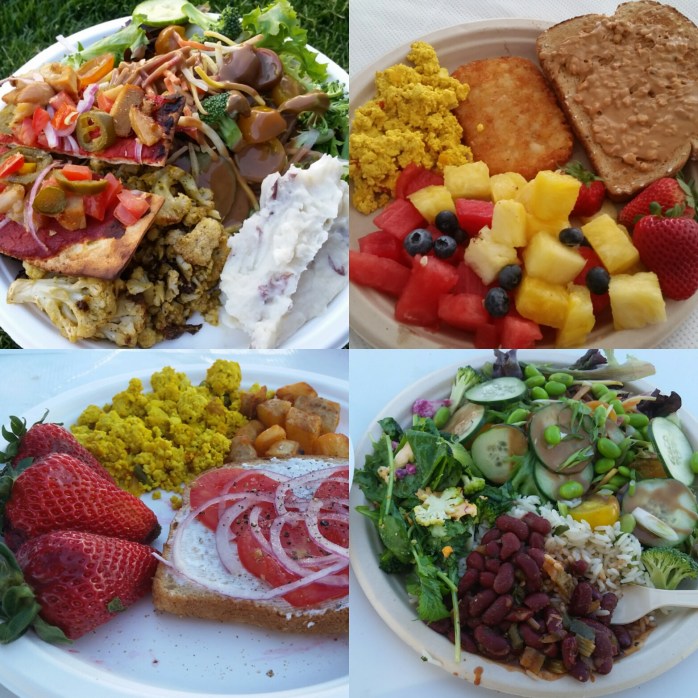
Breakfast
Breakfast has long been my favorite meal of the day. Somehow, it’s still my favorite even though my choices are now completely different!! Once I started eliminating animal products, I realized quickly how much I typically consumed from the moment I rolled out of bed. Bacon, sausage, ham, eggs, cheese, buttermilk biscuits, hollandaise sauce, lots of butter, the list goes on.
Don’t misunderstand: potatoes, biscuits, and eggs all covered in sausage gravy and cheese was once my ultimate breakfast treat. Unsurprisingly, it made my body feel like concrete before I had even finished my last bite.
During this experiment, I enjoyed the following for breakfast:
- Whole grain toast topped with vegan cream cheese, tomatoes, red onions, and black pepper
- Whole grain toast with various nut butters
- A large portion of mixed fruits every day
- Tofu scramble
- Breakfast potatoes
- Oatmeal with brown sugar and blueberries
- Granola with almond milk and various fruits
And what do you know? None of those had the concrete effect. In fact, I walked away from breakfast feeling energized as opposed to weighed down.
Lunch & Dinner
Though I sometimes felt it difficult to turn down sesame crusted tuna steaks, teriyaki chicken sandwiches with pineapple chutney, sizzling steak for taco day, and even Chef Mike’s Famous Queso con Rajas, I pushed through the gauntlet of temptations and enjoyed meals as a vegan. Our menu varied daily, but I always found something delicious and filling.
For lunch and dinner, I enjoyed the following:
- A large (half a plate or more) garden salad with light vinaigrette dressing
- Mixed fruits
- Drunken Mexican beans with cilantro lime rice
- Vegetable fajita style tacos
- Bean Cakes (black bean, chickpea, white bean, etc.)
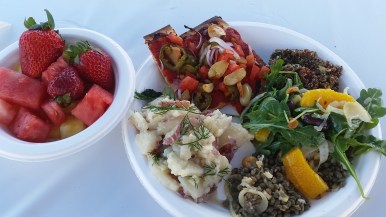
- Meat substitute products – chicken wings, citrus ribs, black pepper steak, chicken sandwiches, etc. (most made from TVP)
- Indian or Thai curries
- Grilled “Cheese”
- Vegan Pizza
- Vegan Hotdogs
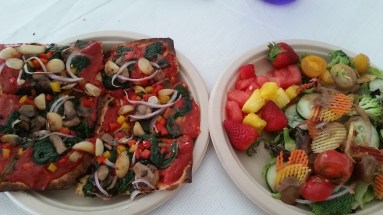
- Various grains and pastas
- Specialty salads
- Various vegetable side dishes – asparagus, broccoli, cauliflower, etc.
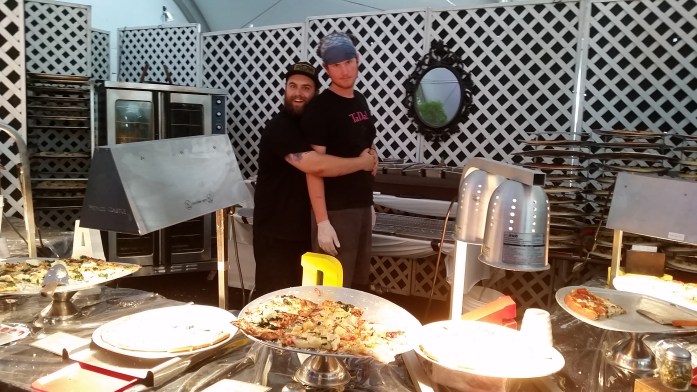
Baby, will you make me a vegan pie??
With so many delicious options available, my seven days as a vegan flew by. I’ll admit, there were definitely some flavors and tastes I was missing, but I did not miss at all the way my old diet made me feel.
So, what did I learn from all of this?
1. Going vegan is challenging.
There is animal product lurking in so many foods that many of us eat it unknowingly. From my observations throughout my career in restaurants, most people eat at least one type of meat in every meal. Two types is very common on one plate. And don’t forget, dairy is eaten in nearly every meal you have.
Vegans make up a very small portion of the population, therefore most of the food world does not cater to this diet. It’s like swimming upstream. So maybe next time, commend a vegan instead of making fun of the diet. Which brings me to my next point…
2. Vegans deal with being mocked. A lot.
Not only does it take a lot of brainpower to create a vegan diet, anyone wanting to go vegan better thicken up their skin. People really like to make fun of vegans. Especially male vegans that have somehow lost their masculinity due to their choices of food. Many people hear “I’m vegan” and somehow manage to think they heard “I’m an asshole” and treat that person accordingly.
Look, I’ve surely met that holier than though vegan that makes you want to punch them in the face so you can enjoy your bacon cheeseburger. I get it, for sure. Yet, through this experiment and my past as a vegetarian, many non-meat eaters don’t want to talk about their diet. Next time someone states their limited diet, pay attention. Did that person go on to say the reasons they started, why they think its better, how they live without bacon OR did you ask all of those questions? In my experience, people like to bring it all up when I would rather stay low key and not argue about my personal diet choices.
I’m really over people judging, debating, and arguing over what someone else chooses what to eat – or what not to eat. I’m especially over people get made fun of for it. What’s the point?
3. I ate way healthier as a vegan than I ever did as an omnivore.
As stated, there are far less options for vegans than others. In many ways, however, this is a good thing. Many of my coworkers at Coachella would make unhealthy decisions and aired their regrets. “Oh my gosh, I can’t believe I ate three donuts today!” or “Woah, I’m so bloated from all that queso I had earlier.” I had way fewer temptations to binge eat empty calories because those foods weren’t vegan.
Instead, I was eating lots of greens, fruits, legumes, and whole grains and really providing good energy for my body. Worried about protein deficiency? Forget about it! A daily serving of protein is about 50 grams which is easy to come by in nut butters and milks, soy products (though I try to limit this), leafy greens, quinoa, avocados, etc. Just because vegans have ditched animal protein does not mean it’s impossible to come by in other forms. (Psst – one 5 oz chicken breast has 43 g of protein. Ever think maybe you over eat protein?)
So, now what?
Believe it or not, I’m approaching my second month as a vegan! This includes a long road trip back to the Midwest, lots of restaurants, reading every single nutritional label and ingredients list, and beginning a new adventure in the kitchen. I haven’t committed to the diet for life, but I am totally in love right now.
And just for fun…
I’d like to challenge you to go Vegan for a Week.
Not for life, not forever. Just one week. It’s tough, but far from impossible. You will walk away from it with a brand new perspective on food and nutrition. If you’ve ever mocked a vegan, I swear this challenge is for you! Have you got what it takes? Just one week, see if you can do it! You can even have the sweet reward of challenging your friends afterwards.

Taking the challenge? Please comment below and use the hashtag #veganforaweek and show off your beautiful vegan entrees on Instagram!
(I always love your comments on blogs. Let’s keep them kind 🙂 )
How to Get from Juan Santamaria Airport (SJO) to San Jose, Costa Rica
Ok, backpackers. This one is for you. As I was preparing for my trip to Central America, I decided to begin in Costa Rica and fly into Juan Santamaria Airport (SJO) near the capital, San Jose.
The problem here is the word near.
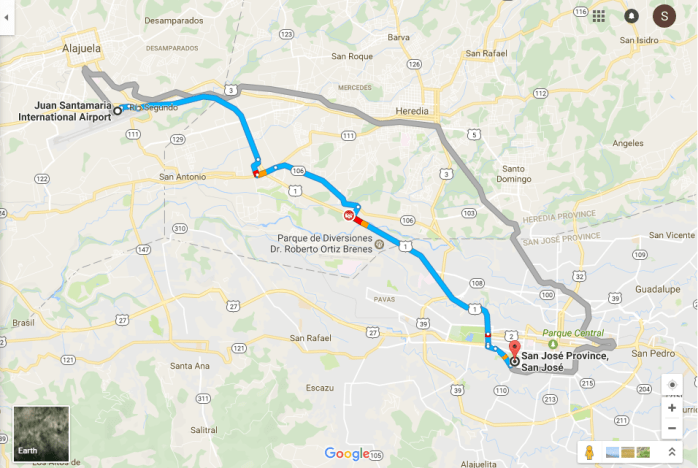
So how do you get from SJO into the actual city of San Jose?
Assuming you don’t have a car, you have 2 options:
- Take a Taxi. I call this the easy way out. There are no shortage of taxis just outside the airport. A taxi will cost you about $25 for the 45ish minute ride into the capital. (30 without traffic, possibly over an hour with traffic). If you’re landing particularly late, I would take this option as San Jose can be a little seedy.
- Take the local bus. The local buses arrive at the airport frequently to take people to the town of Alajuela or to San Jose. Just ask the driver – “San Jose?” The ride should cost you around 500 colones (about a dollar). Make sure to get some small bills inside the airport. We used the ATM (cajero automatico) just outside of the duty free shop after we passed through customs and got some smaller change inside the shop.
If you’re balling on a budget like myself, I’m sure you’ve opted to take the bus.
Great!
Now what?
Busing from SJO to San Jose
1. Exit the airport – don’t forget your colones!
2. Walk around the car garage. The bus stop is exactly on the other side of the garage.
 3. The front of the bus should tell the destination. Look for ones that say San Jose. We took a red TAUSA bus that cost 500 colones. Just ask the driver if you’re unsure if that bus is heading to San Jose.
4. Now you wait. We arrived to SJO around 5 pm, and the traffic was crazy! It took us about an hour and a half to arrive to the Parada Alajuela in San Jose. When we arrived around 7 pm, it was dark, yet the streets were still bustling.
(Note: If arriving to SJO late, consider the safety of a taxi especially if you are travelling alone. San Jose is not known for being particularly safe. That being said, I’ve arrived after dark to the city twice now and had no issues getting around safely.)
5. Arrive at Parada Alajuela off Avenida 2 and in between Calle 14 and 12.

Tada! You’re in San Jose!
If you’re like us, you didn’t come to Costa Rica to hang out in San Jose. I looked on Hostelworld.com for a cheap hostel for the night near Parada Alajuela. I found Andea Hostel which is off Avenida 2 between Calles 28 and 30, about a ten minute walk from the bus stop. It was a nothing special yet adequate hostel for $13 / night per person. In the morning we woke early, took a cab to a different bus station, and made our way to Uvita.

Just like that, we had made it into SJO and onto our next destination.
Bienvenido a Costa Rica. Pura Vida!!!
Did you find this helpful? Did you experience something different than posted above? Please help out your fellow backpackers and post about it in the comments!
Change of Plans

Ah the rush of international travel…
Hours of research, packing and unpacking and repacking, goodbyes and hellos and goodbyes again, buses, trains, planes, customs, currency exchange, my first stamp in a fresh passport – oh yes, we’re on the road again.
Why? How? Where?
Well, for starters, I quit my job. I won’t go into the details here, but long story short, I loved everything about being at Togwotee Lodge in Wyoming – except my job. Simply put, it wasn’t up to my professional standards. And yes, after 10 years, I do consider myself a front of house restaurant professional.
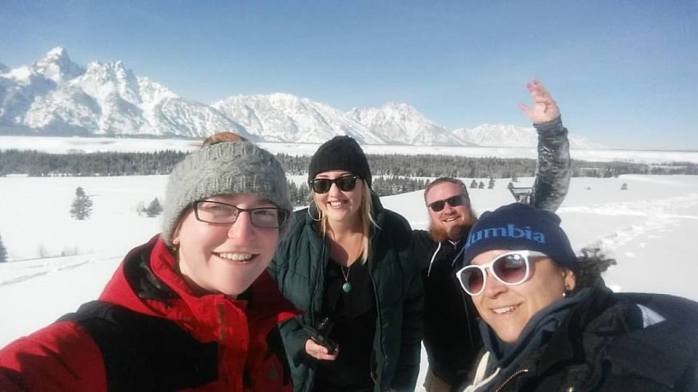
Our two weeks notice came to an end during an insane snow storm. The lodge provided a shuttle to Jackson, WY just in time. About two hours after we made it to Jackson, the highway closed for about 48 hours. From Jackson, we rented a car and drove to Denver, CO where we spent two nights with friends. We then flew surprised our friends and family who had no idea we had left Togwotee. That part was a blast!

So, while we were living in a snow globe, I hit the internet and put together a plan good enough to convince my other half to quit his job and come with me.
Central America. 6 weeks. And an additional 7th week in Florida accompanying my family’s vacation.
For $2500.
Yes, each, and yes, we may go over budget which we do have some wiggle room for.
Ok, now for my favorite part. Let’s talk logistics. (Psst – all prices listed are per person)
I searched and searched using Kayak.com and Skyscanner.com until it felt like my eyes were bleeding for good deals on flights into Central America. I found that flying into San Jose, Costa Rica (SJO) was easily the most economical.

Ok, now how do we get back?
From Central America we are flying to Fort Lauderdale, FL, renting a car, and heading over to Naples to join my family’s vacation. Though flying from SJO was very economical, Sean really wanted to do some country hopping and especially wanted to go to Belize. Cancun, Mexico (CUN) always has great prices on flights so we went ahead and booked our return to the US for $150.
I knew we didn’t have enough time to bus all the way from Costa Rica to Cancun, so we found one more flight that saved us a ton of money and precious time. After about three weeks in Costa Rica, we will fly from San Jose to Guatemala City (GUA) for $60!
(Note: Costa Rica requires you have a ticket purchased to leave the country upon arrival to appease their customs laws when flying in one-way. This one-way to Guatemala was just what we needed!)

Since we only have 6 weeks, I put together an itinerary featuring the highlights of Central America including beaches, rain forests, climbing the highest point in Central America, islands, and a big bucket list item – getting scuba certified!!!
Feb 14 – Megabus to Chicago, L ride to O’Hare airport, Fly to San Jose Airport, Take a bus to San Jose proper, stay in a hostel ($13 / night)
Feb 15 – Bus from San Jose to Uvita, stay in a hostel ($17/night private room) for 6 nights
Feb 21 – Bus from Uvita to Puerto Jiminez, stay in private apartment (kitchen, bathroom, etc) overlooking the rain forest for 10 nights – $10 per night!!!!!
March 3 – Bus from Puerto Jiminez to San Jose, stay in hostel (TBD)
March 4 – Fly to Guatemala City, spend the next 9 days visiting Lake Atitlan, climbing Central America’s highest point – Volcán Tajumulco , entering Honduras, seeing the Mayan ruins of Copán, and then heading to La Ceiba to catch a ferry to the Caribbean island of Utila.
March 13 – Begin our PADI Open Water Dive Certification with the Utila Dive Center. $329 for the certification includes all materials, 5 nights hostel accommodation, and unlimited snorkeling and kayaking around the island.
March 19 – Leave Utila and enter Belize via boat taxi. Spend 6 nights between Belize and Cancun
March 25 – Fly from CUN to FLL. Tada!!
Yes, it is a lot to squeeze in, and there is a definite possibility one or more itinerary items may be removed.
Budget wise… (again, prices are per person)
Flights to Costa Rica – $175
6 nights in Uvita $100
10 nights in Puerto Jiminez $100
SJO – GUA $60
Utila Dive Center $329
CUN – FLL $150
$30 daily budget x 40 days $1200
Total $2214
Not too shabby, eh?? I’m sure in practice it will be more like $2500 – $3000, but I have no doubt it will be worth it. In fact, it already is. So, yeah, heading to the beach now. PEACE.
Four Feet in Four Days
The storm began Sunday around noon. I was out enjoying an incredible perk of working at Togwotee Mountain Lodge – an employee snowmobile ride. This was our second time to get to ride some sleds on a guided tour and this time we headed to Brooks Lake Lodge near Dubois, WY that is only accessible by snowmobile in the winter. 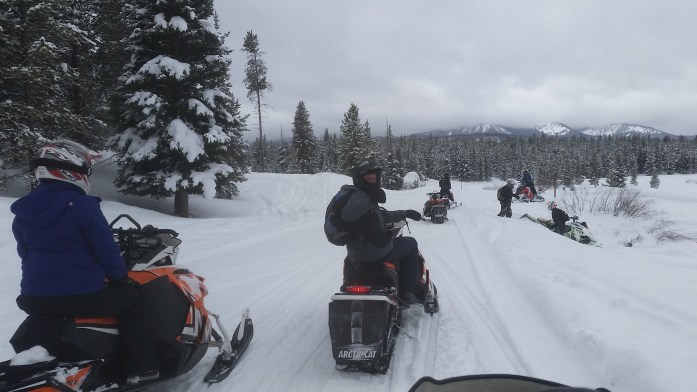
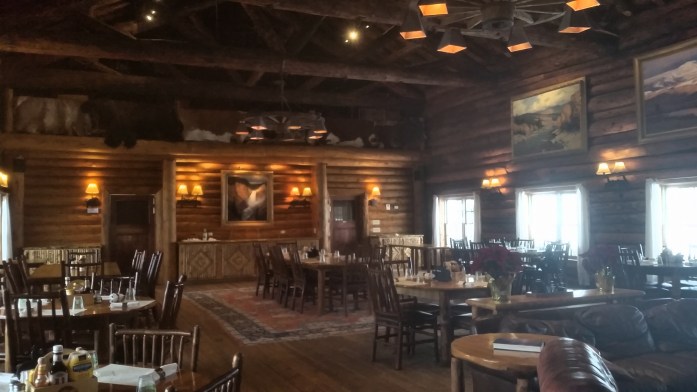
After a couple of hours riding on and off trail (hitting speeds of 50+mph!), we arrived at the lodge where power had just been restored minutes before. The snow was beginning to fall. We happily entered the warm lodge, a large wooden structure with multiple fire places, couches, big windows, an high ceilings. We were ushered into the dining room where racks near the fireplace could hold our wet gloves and mantels above could hold our helmets. We enjoyed each other’s company at a large table for nine in the middle of the large dining room surrounded by paintings of the Grand Tetons, Brooks Lake, and the nearby surrounding cliffs that were unfortunately buried behind thick clouds full of snow.
 After a delightful lunch, the group returned to their sleds. The route back took only about 30 minutes, most of which was in near white our conditions as the snow began to fall harder. Many of us arrived back at Togwotee Lodge and immediately reported to work, tired but happy.
The snow continued to fall all day Monday, delicate snowflakes cascading from a grey sky. Work pressure and stress was building and I was very much looking forward to my next two days off. I made plans to go to “town” (aka Jackson, WY) with a friend, but I quickly realized that the snow would continue to fall, and we weren’t going anywhere.
Tuesday, my first scheduled day off, rolled around and I lazily slept in after a night of celebrating my “Friday” with a couple of friends. I awoke and stared in awe of the snow dumping onto Angle Mountain and the surrounding alpine wilderness. The dogs were howling – they love it when it snows. By this point, we had received at least two feet.
Though it was my day off, I learned quickly that there was mild mayhem at our lodge. The storm had closed the highway stranding tourists that came on day trips for dog sledding or snowmobiling and trapping guests that were planning on checking out. The highway was closed and no one could come in or out. Now, we just watched it snow.
And it wasn’t long until I inevitably got called into work as the guest occupancy had suddenly spiked. The restaurant was slammed, and I couldn’t not help them. I left after the rush and was glad to find a few friends to unwind with. Sean soon finished his bar shift and we turned on our recent guilty pleasure, Shameless. We had nearly finished an episode when the white Christmas lights flickered and the show stopped streaming. I knew instantly – the power was out.
Ok, so, the power going out was definitely not surprising. It happens, particularly in storms, being so far out in the middle of nowhere Wyoming as we are. We awoke Wednesday morning to a somewhat chilly room, only natural light glowing behind the heaps of snow that were still falling from the sky. No heat, no light in the bathroom, no internet. We made ourselves Irish coffees and escaped to the warmth of the lodge where generators provided electricity.
It wasn’t long until we saw our friends, the dogsled guides (mushers) who suddenly had their schedule cleared because their clients were unable to get to Togwotee. The highway was still closed disabling guest departure and arrival. Dylan, a musher, knew we were interested riding and was quick to offer a short ride. We accepted the offer without a second of hesitation and geared up for our sleigh ride.
Dylan had a little work to do before going out, so we took the time to meet and greet as many dogs as possible. Frankly, that was no small feat because the mushers care for over 110 sled dogs.


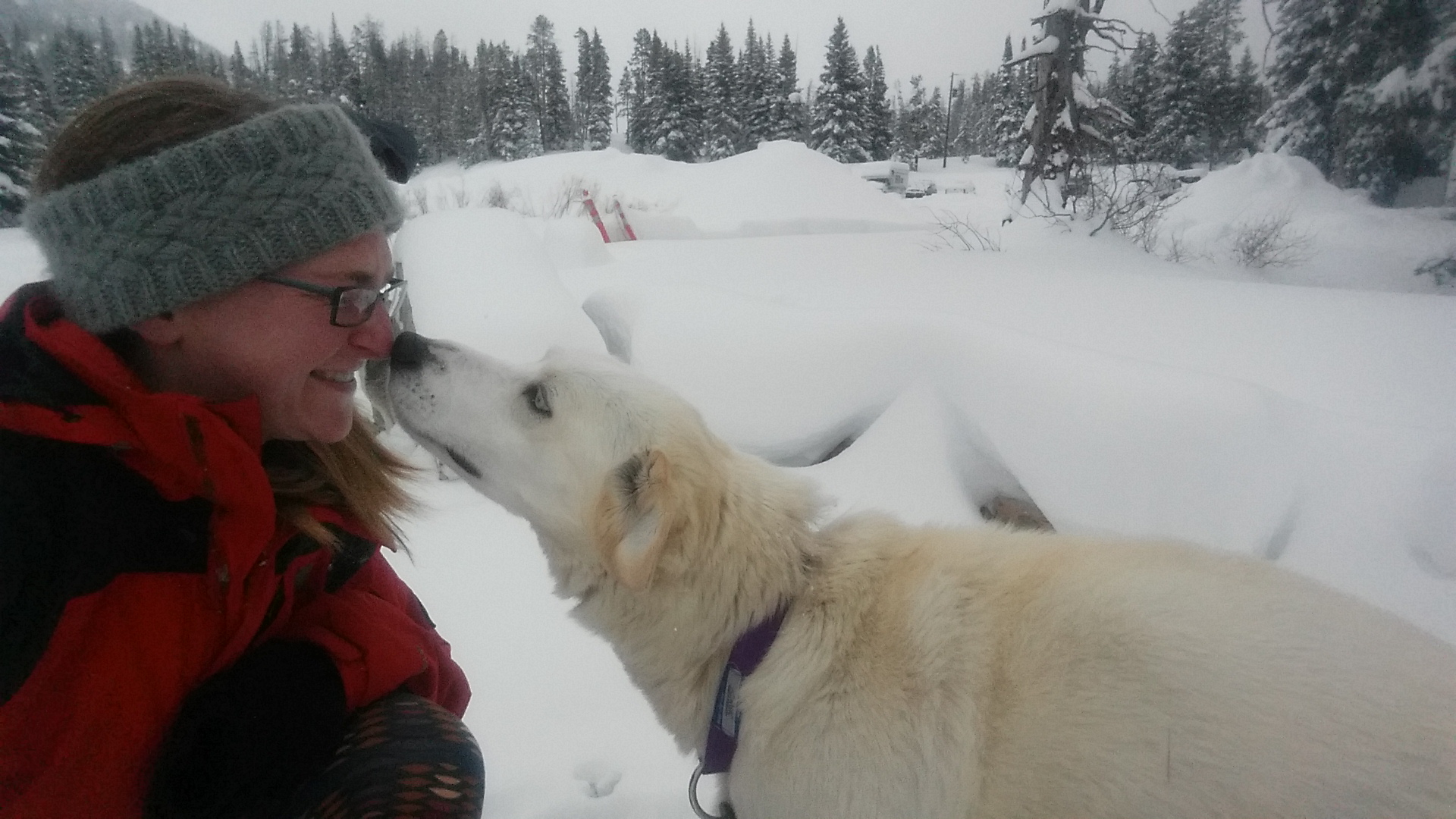
We spent over an hour petting and loving on as many dogs as possible before the mushers picked out the 12 “chosen ones” for our ride. Let’s be clear – these dogs live, love, and breathe this sport. They are passionate about pulling a sled and not so thrilled when they aren’t picked. The mushers told me almost all dogs typically do one 10 mile sled pull per day and many do two. I swear, these are some of the happiest dogs in the world.
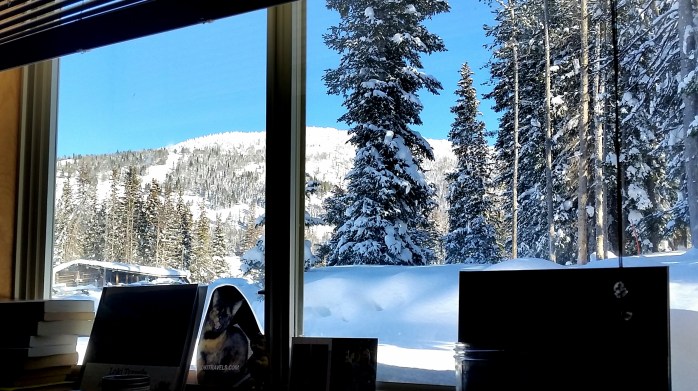
 Eventually, all twelve dogs were strapped in, and we were off! The snow continued to fall, as it had been for the past four days, and the dogs ran into the snow covered forest clearly familiar with the trail. Though the clouds hid the surrounding mountains, the snow falling in the silent forest created a serene environment. Never in my life had I pictured myself being towed by dogs dashing through pine trees boughs heavy with weight of the snow. Over three feet had fallen since Sunday, and the dogs were working hard navigating through the fresh powder.

Our five mile ride was over before we knew it, but we couldn’t be more grateful for the incredible experience that randomly fell in our laps. After our ride, it was time for beers in the bar, dinner, and, to top it all off, a game of Settlers of Catan. By now it was nearly 9:00 and the power and heat in the dorms were still off. A few of the employees decided to gather around for more drinks in an employee cabin.
We were all accepting the inevitability of a dark, cold evening when suddenly, the lights flashed and to our surprise, stayed on! Power was restored!! It wasn’t long before our group of friends scattered in different directions. It was then that we realized the snow had stopped and the sky was clearing. The light of the near full moon shone like a mirror onto the blanket of snow that covered the lodge. Four days and four feet later, this winter storm was over.


How Our PCT Food Resupply Strategy Actually Panned Out

It’s crazy to think that 10 months ago I was writing out our Food Resupply Strategy for our Pacific Crest Trail thru-hike. For those of you planning a thru-hike of your own, I wanted to write a little article about how our food strategy actually played out on the trail. You can check out the original article here. (For the record, we completed 2400 out of 2650 miles and will be finishing up the section we missed later this year.)
Mail Drops
Over 5 months and 2400 miles on the PCT, we stopped to resupply for food 20 times averaging 120 miles between resupplies. Of those 20 times, 10 times were from boxes we made before hitting the trail.
Our pre-trail plan included 12 boxes tentatively to be shipped to the following locations:
- Warner Springs (Desert)*
- Kennedy Meadows (Sierra)
- Vermilion Valley Resort (Sierra)
- Sierra City (NorCal)*
- Belden (NorCal)
- Crater Lake (Oregon)*
- Shelter Cove (Oregon)
- Trout Lake (Washington)
- White Pass (Washington)*
- Snoqualmie Pass (Washington)
- Stevens Pass/Skykomish (Washington)*
- Stehekin (Washington)*
In the end, only 10 boxes got sent out and only 6 (with an asterisk) of the locations listed above were used for mail drops.
From my experience on the Appalachian Trail and the Pacific Crest Trail, I have learned that mail drops seem like a good idea, but in reality, they often are more trouble than they are worth. For example, there is nothing more annoying than realizing you will be arriving in town early Saturday evening meaning you will have to wait until Monday morning to get your box from the post office. Even worse if it’s a long holiday weekend. Also, if you are planning on buying in bulk for your boxes, you will most definitely be tired of the food you packed by box 3. Sure, buying ahead of time helps put some trail expense behind you and saves you time at the grocery store on your precious Zero Days. But, there was never really a time that a mail drop was absolutely necessary. My suggestion? If you don’t have a specific diet and are not dehydrating your own food, make 10 or less boxes ahead of time. Leave them open and without an address that way you have total flexibility. If you don’t have anyone at home to ship them out for you, you can always mail yourself a box from a bigger town to a stop you know will just be a gas station.
My two cents on mail drops…
- Mail drops don’t really save that much money once you calculate shipping. (Large Flat Rate box runs $18.75 and can approx. hold food for five days for one person.)
- Your boxes tie you to town at specific times, so fewer boxes = more flexibility which is very helpful on trail.
- You will very likely over pack your boxes and ditch food (that you spent money on) into hiker boxes.
- There was never a place on trail that a box was totally necessary. Convenient? Sometimes. Better than gas station selection? Absolutely. But you certainly could survive without making any mail drops.
- If you ever receive a mail drop you don’t actually need, you can “bounce it” from the post office to another address for free as long as you don’t open it. This came in handy for us a couple times.
What We Ate
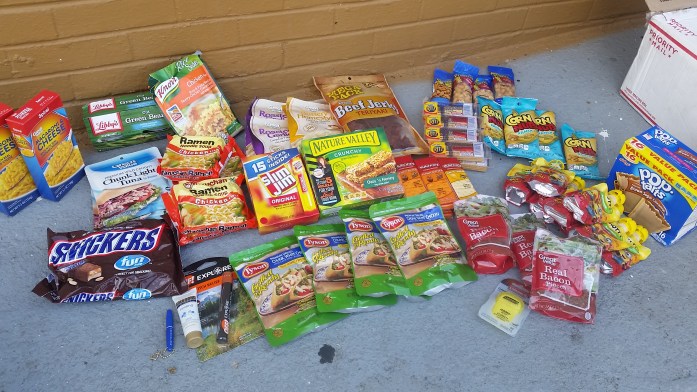
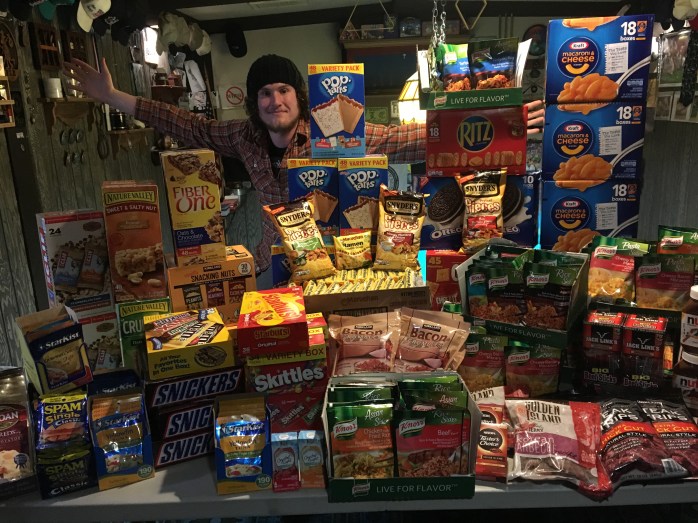
Before stepping foot on the trail, I stressed out about what exactly I would be eating in the backcountry. I searched and searched for new ideas only to find the same old things – nuts, granola bars, candy bars, tortillas, peanut butter, poptarts, pasta sides, ramen, instant mashed potatoes, etc.
And guess what?
That’s what I ate on trail for about 5 months. So much bleached flour and sugar/ high fructose corn syrup. Blech. I will say, my on trail diet is one of my least favorite things about long distance hiking. The only perk is that you can eat as much as you want whenever you want without much consequence. Like, you know, a half gallon of ice cream when you get to town…
Here’s what we typically ate on trail:
- Bars – Clif / Various Granola Bars
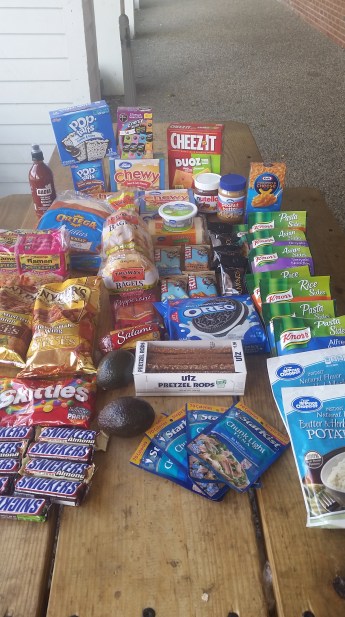
- Candy
- PopTarts
- Jerky / Meat Sticks / Summer Sausage
- Tuna Packets
- Spam Classic Singles (packet)
- Ranch Corn Nuts
- Cheeze Its
- Nuts / Trail Mix
- Cracker Sandwiches with Cheese or Peanut Butter
- Ritz Crackers
- Bagels with Cream Cheese
- Packaged Cookies / Oreos
- Peanut Butter / Nutella
- Tortillas
- Block of Cheese
- Avocados (occasionally)
- Pasta or Rice Sides / Ramen Noodles / Mac n Cheese
- Chicken Packets / Spam Singles Packets / Tuna Packets / Bacon Bits Packets
So, what should you eat?
Whatever you damn please!
We were looking for the lightest weight, least bulky, and most calorically dense foods on the market which translates into a a diet of high amounts of calories yet low amounts of nutrition. Also, affordability is key for us. Sure, I’d love Mountain House meals every day, but at $9+ for maybe 700 calories, I’ll stick to Pasta Sides. It is absolutely possible to eat way healthier than I chose to, but it will likely cost you financially and in weight on your back. So, of course, food is up to you! But unless you are making your own dehydrated food, there’s no need to waste hours searching across the internet for “backpacking food ideas” like I did. Some of your stops will be a gas station or a very small grocery store. You’re very likely going to eat a lot of the items I listed above.
Going Stoveless
We did the entire desert section (700 miles) of the PCT without a stove or pot to cook in.
Here’s what we liked about it:
- Dinner was so quick! Roll up a wrap, scarf it down, put stuff away. Easily saves you over 30 minutes vs. cooking (which just means you get to eat 30 minutes sooner 😀 )
- Save the weight of the cookset, stove, and fuel = about 1 lb
- Save the weight of the water. If you are in an area like the desert, you may not be camping near a water source and will have to carry extra water (around 1 L / person) to cook and clean with. Is mac and cheese worth hauling the extra 2.2 lbs for?
I will say, when we got our stove back, we were glad to have it and did use it most every day. I will go stoveless in the future when backpacking where water is scarce. If water is not an issue, I will likely carry the stove. Going stoveless is very doable, saves you weight, and makes a lot of sense in the desert.

Check Hiker Boxes!!
Lots of people overpack their mail drops and food sacks and ditch their unwanted items in hiker boxes. If you’re in town, check the hostel / hotel / gas station for a hiker box for some free food! A lot of the time it’s oatmeal, unlabeled dehydrated ???, gallon size bags of nuts people didn’t want to carry, etc, but I’ve also scored tuna packets, full peanut butter jars, and Mountain House Meals. Check the boxes before you hit the grocery store. Thank the suckers that overpacked their mail drops 😉 (Note – hiker boxes aren’t just for food. I’ve seen every imaginable piece of gear, toiletries, shoes, etc.)

Just Remember –
If you’re not on a limited diet, plan and stress less. You don’t need a mail drop for every (or even many) stops along the way. You do not need to pre-plan every meal or know every town stop you will make before you leave home. Assuming you have a guide, you will know how many miles between resupply points ,and you’ll continuously get better at estimating how much food to bring. Once in the backcountry, the trail life will become so routine you’ll wonder why you ever worried about resupply.
Gear Review: Hyperlite Mountain Gear 2400 Windrider Ultralight Pack
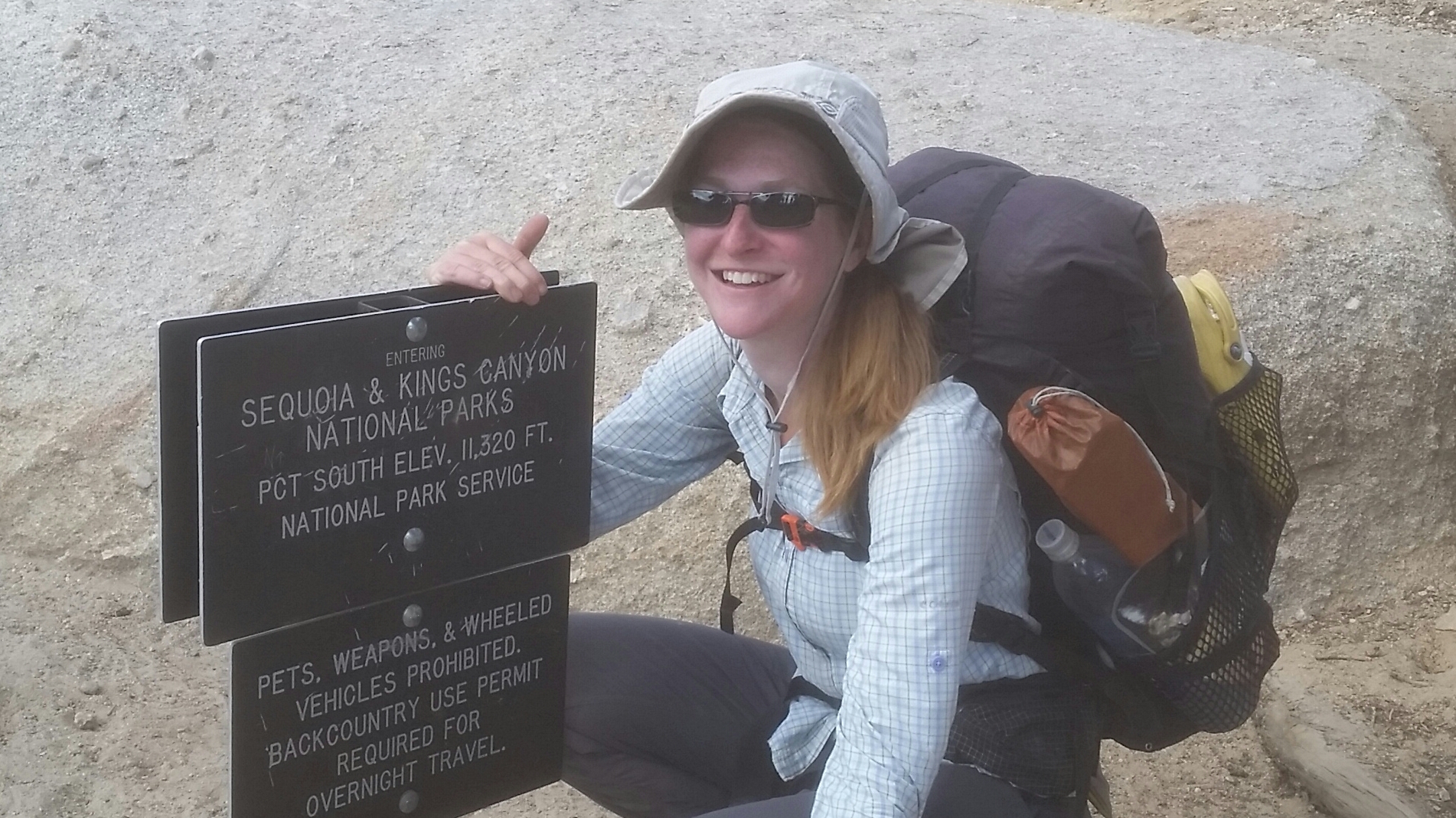
This past summer, I used Hyperlite Mountain Gear’s 2400 Windrider Ultralight Pack which I totally and completely fell in love with (currently marked down $50 by the way…). If you are looking for an ultralight backpacking setup, look no further than Hyperlite Mountain Gear (HMG). Here’s why I loved my Windrider…

Ultralight – Weighing in at under 2 lbs, the Windrider is barely noticeable on your back. Don’t forget – every ounce counts including the weight of your empty pack.

Ultra Convenient – At first I was skeptical to having just one main compartment for the pack with three mesh outside pockets and no top compartment (aka “brain”) like other packs I have had. However, after using this system, I won’t go back. The outside pockets made getting a quick snack, water bottle, or sunscreen easy without having to remember which pocket contained which item. Having fewer pockets also helps keep the temptation to bring too many items at bay. Bonus points for being small enough to fit into a car easily and count as a carry-on when flying!!
Ultra Durable – The Windrider comes in 2 options for the Dyneema Strength – 50D for the white and 150 D for the black. I went with the black knowing I would give it a beating. (The black also hides the dirt way better than the white). After 2400 miles on the Pacific Crest Trail, my pack barely looks used and is most definitely ready to go for another backpacking trip. At the end of the trip, my HMG pack was in considerably better shape than other people’s packs from ultralight competitors.
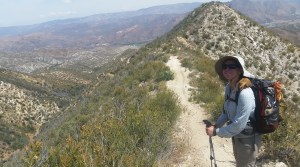
Ultra Comfortable – The Windrider is a very comfortable pack with two small internal support rods that help carry the load. As long as it is packed properly, the pack will ride balanced and smoothly. My base weight with all my other gear rang in at about 13 lbs (full gear list here). Adding 4-6 days of food and at least 2 liters of water still allowed me to be under 25 lbs most of the time. I will note that with excess food and large amounts of water the Windrider won’t fit as comfortably as it nears its load capacity of 35 lbs.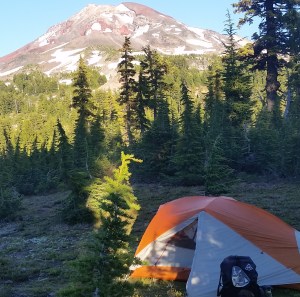
Water Resistant – It was so wonderful not having to stop and put on a pack cover if it looked like we were walking into bad weather. The pack coupled with Dyneema stuff sacks make rain much less of a worry. I never had any issues with water getting in my pack though we walked through the pouring rain.

Overall, I couldn’t be happier with the performance of my HMG Windrider. It is ultralight without skimping on comfort, convenient for storing all of my things without the unnecessary extra pockets, and held up very tough through thousands of miles and in all types of weather. I can’t wait to use my Windrider on yet another trail this summer!
Working in a Winter Wonderland

First off, my apologies for being a little behind on the website. After 2400 miles over 5 months on the PCT, we took our van to Northern California for seven weeks of off grid R&R. We had to, unfortunately, scrap the van there as it needed repairs that weren’t worth fixing.

Since we left Vermont in March, it was our intention to return for the ’16-’17 ski season at Stratton Mountain. In September, we learned that our bosses would be happy to have us back, but then were informed that the limited employee housing was full and we would have to find our own housing off the mountain. Not only would we have to find a place, but also possibly find roommates, furniture, and purchase two vehicles. Sigh. We quickly realized it may not be worth all that trouble for a four month gig, so we began brainstorming alternatives for the winter season.
A common theme from our experience in the seasonal work world is that one gig leads to another, and this winter is no exception. When we left Vermont, we went directly to Coachella Valley to work catering for Coachella and Stagecoach music festivals with a group of 6 others from Stratton. After the festivals, Sean and I immediately began our journey on the PCT. Two others from the house made their way north to begin a summer job in Wyoming.
They both fell in love with their new home at Togwotee Lodge near Jackson, WY. I loved seeing their pictures of big game wildlife and the breathtaking Tetons. When we realized we wanted an alternative to Vermont, they were my first contact. Thankfully, they knew our work ethic and were able to help us secure jobs.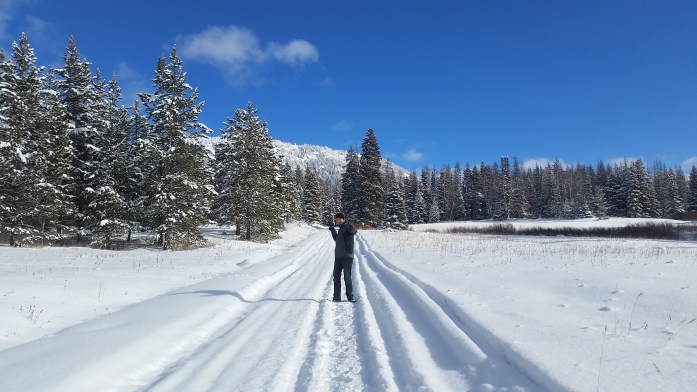
So, while we were in California, we started getting everything set up for our winter in Wyoming at Togwotee Lodge. The lodge sits at 8500 feet in the middle of Bridger – Teton National Forest. The tips of the Tetons are visible from just behind the lodge with Grand Teton National Park entrance being about an hour away. The lodge boasts convenient hiking trails and horseback riding in the summer then transforms to a winter wonderland. With an average snowfall of 600 inches for the winter season, proximity to the Continental Divide, Grand Teton, and Yellowstone, and over 600 miles of groomed trail, it is easy to see why Togwotee Lodge is the number one snowmobile destination in the country. No, I’ve never been snowmobiling, but I am beyond stoked for my first ride this week!
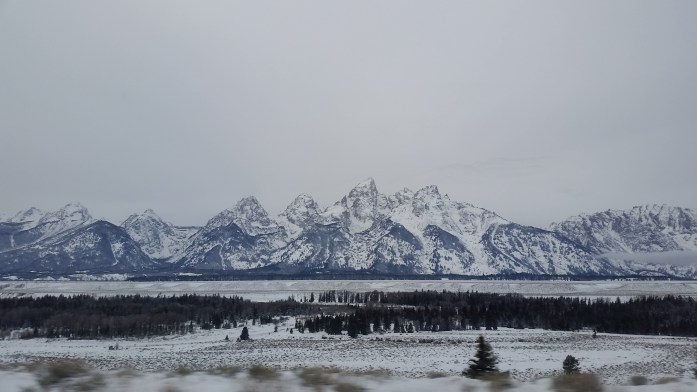
In the past ten days, I think I’ve already seen more snow fall then anywhere else I’ve experienced winter. Seriously, it’s like we’re living in a snowglobe. Thankfully, we are living in a dorm on site so we can watch the powdery snow fall stress free. We don’t have anywhere to go, so bring it on!
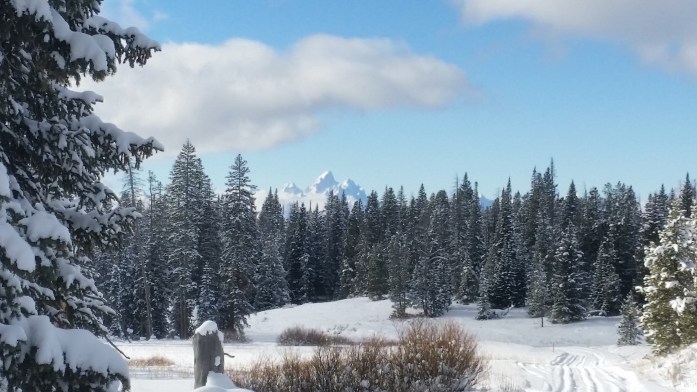
So far, I really like it here. It’s peaceful, secluded, rural, and rustic. Snowshoeing Angle Mountain right behind our dorm is always an option, and the lodge plans employee activities like snowmobiling, pool tournaments, holiday parties, and dog sled rides. Did I mention there are 100 sled dogs outside my window all.the.time!?!? Aahhhoooooooo!!!!!

Well, I’ve got to get ready for work. You know, so we can save up for whatever’s next…

**Follow me on my Instagram for more frequent updates on my story and inspirational stories of travelers across the globe as well as travel deals, tips, and tricks to get your adventure rolling! Now that I’m “grounded” I’ll have a lot more time for writing, creating, and sharing. Thanks for coming along on my life journey with me.**
Journey Over Destination

Through a series of four hitches, we made our way back to Onion Valley Campground and set out for Kearsarge Pass. I resented having to climb the extra 2500 ft over 6 miles but ultimately had no choice. Once at the top enjoying the views, I realized it wasn’t that bad.

We decided to get in a few PCT miles that evening and proceeded to climb another 2000 ft over Glen Pass. After the steep uphill, we descended into a magical series of shimmering lakes tucked into the mountains. I found myself somewhat disappointed that we were arriving at night fall and wouldn’t see Rae Lakes with full sunshine. As the trail meandered through the bodies of water, I could see some of the extent of the lakes’ clarity as schools of trout swam by. It was completely dark when we made it to camp, and we did our chores by headlamp. Just before we went to the tent, the nearly full moon rose above the mountain ridge like a spotlight in the clear sky illuminating the surrounding mountains and making the headlamps unnecessary. The moon puts on a spectacular show above 10,000 ft.
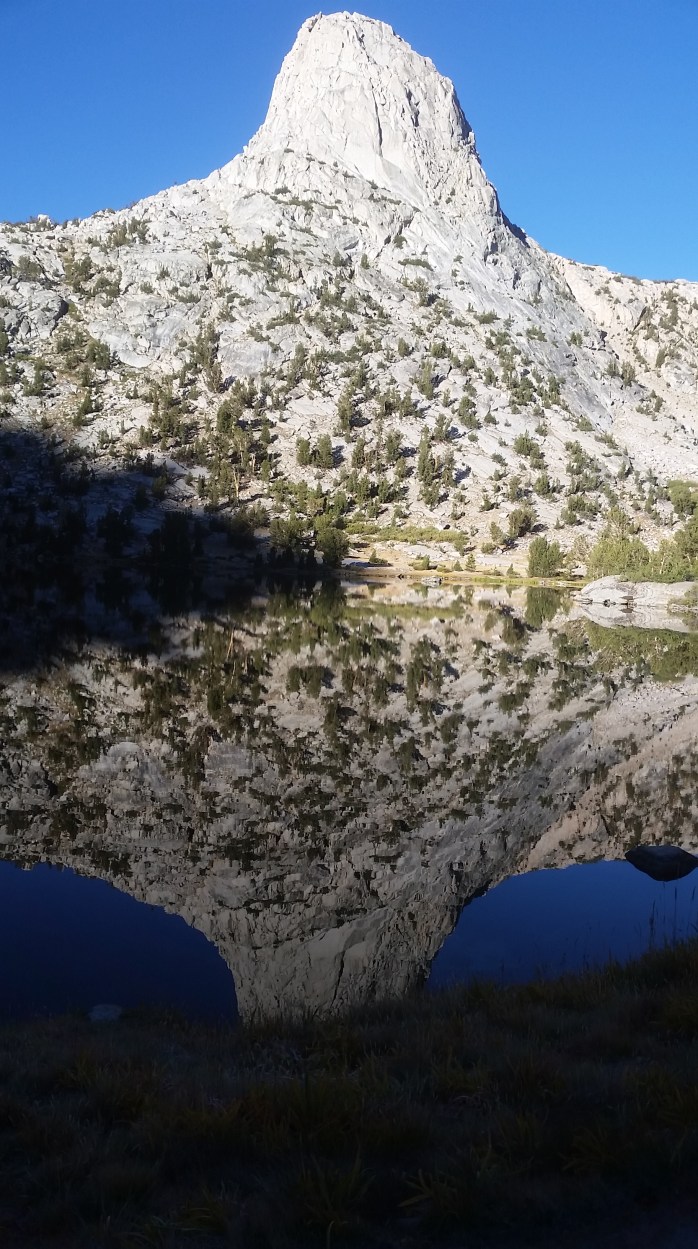
Morning came, and we found it difficult once more to break out of the bag. At 10,500 ft, it had frosted overnight. Eventually, we braved the chill, hurried through our morning chores, and left camp right before 8. Just around the corner from our campsite, we came across a group of a dozen bucks that were neither surprised nor scared to see us. We walked away from Rae Lakes aware that we hadn’t enjoyed its full potential or beauty.
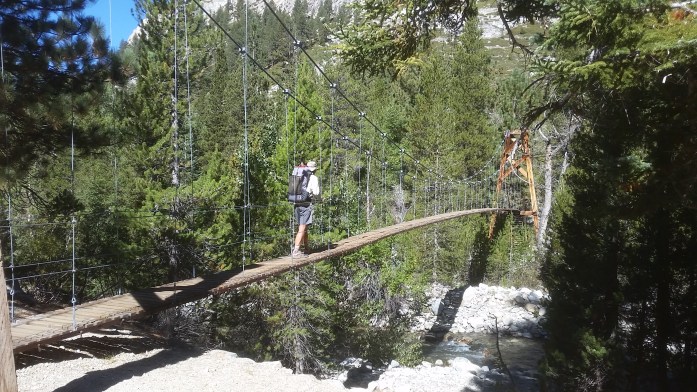
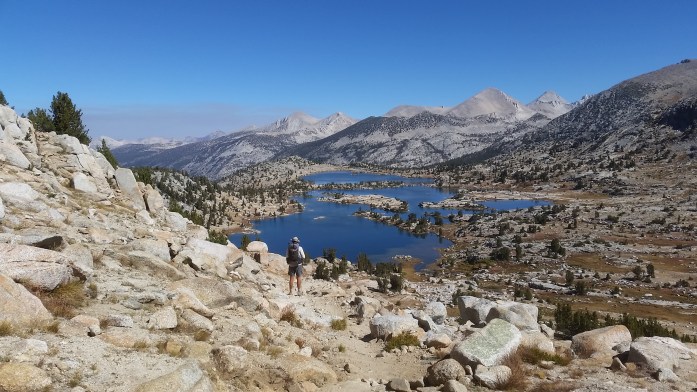
After a couple hours of descent, it was once again time to start climbing. This section was a pattern of climbing 2000 – 3000 ft then descending the same amount on the other side with the steepest part being just before and after the pass. Small glacial lakes near the pass spilled crystal clear water down streams that eventually pooled into a larger lake whose outlet cascaded into breathtaking waterfalls. The series of passes was equally as challenging as it was rewarding.

But our desire to make miles really was getting in the way. We were working on a 120 mile section which would leave another 250 from Mammoth to Truckee. We were still estimating another 2 weeks minimum to wrap it up if we were able to hike between 20 and 25 miles per day. Our pace had slowed to under 2.5 miles / hour meaning that, even with very minimal break time, 20ish miles took every second of daylight to accomplish. It got to the point that even stopping to take a picture made us feel guilty for “wasting time.”

It became very apparent that neither of us were very happy with this version of hiking. We had both become mile machines with our eyes on the prize of being done, of sitting, of resting, of not being constantly hungry.
Oh yeah, what a fun realization I had on our second night out that we had miscalculated how many dinners we needed, and we were short one. Picking up the mileage wasn’t going to happen, so rationing it is. We’d save a granola bar here or a cookie there just so we know we’d have something to eat.

To make matters worse, I found myself in an empty headspace trying to push out the recurring thoughts of how much time and distance had passed since I last checked. For hours on end I was hiking when I didn’t want to be, thinking about the food I didn’t have, climbing passes I barely had the energy for, and hoping to get below 10,000 ft to avoid freezing sleeping temperatures. My body and mind were exhausted. Could I pull this off for 15 more days? Even if I can, do I want to?

The days conquering the passes and nearing Mammoth Lakes repeated in a Groundhog Day like fashion. Even looking at my quickly snapped pictures I can barely distinguish one pass from the next.

Muir Pass was our last large climb before Mammoth. We took a quick 15 minutes at the top then continued on our way. A few miles north, we walked alongside Evolution Lake, snapped a couple pics, and kept walking. As we walked away, I noticed the mountains north of us were less jagged and took on a more rolling look. I knew we were leaving a very unique part of the PCT behind us that we barely even said hello to.

It really hit me over lunch a couple hours later how much it bothered me that we didn’t spend time at that lake. The trail we had traversed over the last few days contained a landscape that’s impossible to experience without the hard work we had done to get there. It’s a whole ecosystem, a world of its own at this altitude. And we just walked by, thinking a picture would be enough. It wasn’t.

We spent our last day before Mammoth hiking 25 miles excited to get to Red’s Meadow Resort, a large campground with a cafe, general store, and a road where we could hopefully get to town. We were about an hour away when a familiar face came walking towards us. Our friend, Diva Dan who we had met on the Appalachian Trail, was working on his southbound thru-hike. We had anticipated seeing him soon as our paths had already crossed once in Oregon. We spent a few minutes catching up and giving insight into what was coming up. Dan informed us the store and restaurant were already closed at Red’s and the summer bus to Mammoth was already stopped for the season. Thankfully, he mentioned a well stocked hiker box at one of the walk in campsites, and the smiles returned to our faces knowing we would have something for dinner. We said our goodbyes and good lucks and continued walking.
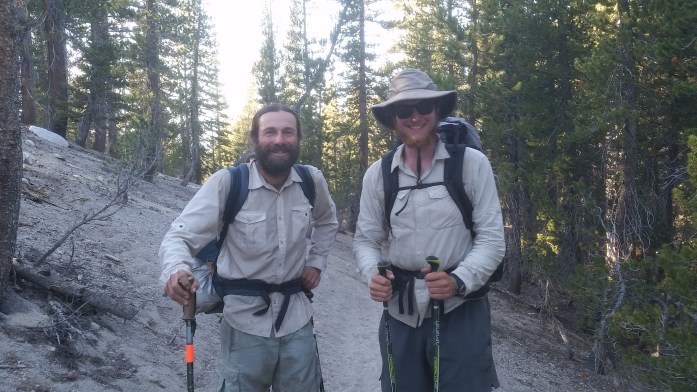
Once at Red’s, we immediately went to raid the box and pulled together a meal. In the morning, we arrived at the cafe as soon as it opened and rejoiced at the site of hot coffee and breakfast. At 8:00, we began the process of hitching a half hour ride into Mammoth.
After a half hour of nothing, a woman offered us a ride a few miles down the road to the parking area for Devil’s Postpile National Monument. We took the offer hoping to see more cars. Suddenly it was 9:00. Then 9:30. 10:00. I was just about to run out of Rent songs to sing to Sean when at 10:30 we finally got a ride. I was so thankful someone stopped, but my frustrations were boiling over. We were hoping to resume walking by noon to still get in our 20 miles, and we had just spent the large majority of our rest time on the side of the road. The nice couple brought us to the Mammoth post office to retrieve our package, then we decided to soothe our frustrations at Mammoth Brewing.
I dove into the food and beer evaluating our choices. This was most certainly not the way I wanted to hike. Hiking shouldn’t feel like a burden nor an obligation. Without saying too much, we both were able to read the other: let’s be done.
I sipped my beer slowly weighing the emotions, but ultimately I knew it was better to forgo our thru-hike attempt. My relationship with the PCT had become one of obligation and little enjoyment. I desperately wanted to hike these 250 miles but with significantly less pressure. I wanted more time to enjoy the incredible beauty here. I wanted to relax. And one of the best parts about these trails is that they’re not going anywhere. They will be here when we’re ready for them.
But what about a thru-hike? Oh yeah, I don’t care about a thru-hike. I even recall an article I wrote last year called “It Doesn’t Have to Be a Thru-hike.” Frankly, I find it infinitely more important that you enjoy and experience a trail than to simply walk it. I fully believed in our capabilities to complete the PCT, but I most certainly preferred the idea of completing this stretch because we wanted to, not because we had to. The cliche rings true: it’s about the journey, not the destination. And what a journey it’s been.
We talked this all out over lunch and both agreed – we would finish the PCT another time – slowly, intentionally, deliberately.
So, I’m actually quite happy to say, in just shy of 5 months Sean and I hiked 2,400 miles of the Pacific Crest Trail. No more, no less. We left the trail without regret and intensely look forward to when we can return and enjoy the magic of the High Sierra.
Into the High Sierra at Last
Our arrival at Kennedy Meadows meant the desert was finally behind us leaving 450 miles through King’s Canyon, Sequoia, and Yosemite National Parks, around Lake Tahoe, and finally to Truckee to complete the entire Pacific Crest Trail. I felt a mix of emotions crossing this big milestone, a blend of excitement for the beauty of the High Sierra and anxiety for the still long path ahead. There was much to look forward to yet so much work to be done. Our first chore was leaving Kennedy Meadows near 7,000 ft and climbing to nearly 10,000 ft. Over the next 200 miles, we would stay between 9,000 and 13,000 ft.
From KM we carried just a couple days of food to get us to Lone Pine in our newly purchased bear cans. For the rest of our trip, we would be carrying an extra two and a half lbs of Bear Vault to meet the requirements of the national parks. It took a little strategy, but we eventually figured out how to pack them into our ultralight bags and still maintain a comfortable fit.
Well, mostly anyway. I had already been having a bit of trouble with my bag as I have lost basically all of the extra cushion weight from my body. My pants sagged and my hip belt strap was completely maxed out. The bulk of the can arched in a not so awesome way against my back welcoming new pack rash. Great.
Up we went into the High Sierra, the air becoming slightly thinner and cooler. Sean managed to piss off a bull crossing a high pasture, but thankfully it stopped charging him before we got too scared. Apparently, bulls aren’t into being mooed at by humans.
We are only about 50 miles from KM when it was already time to resupply which requires a little extra work in the High Sierra. For this resupply, we would add an additional 3 miles of walking to get over a pass and down into a valley where there was a drive-in campsite and hope for a ride. Of course, returning to the trail would require redoing those 3 miles in a mostly upward trajectory. Sigh.
Once we reached Horseshoe Meadows Campground, we were pleased to see a full parking lot. It wasn’t too long until a friendly couple offered us a ride down into the town of Lone Pine known for its access to Mt Whitney and stunning scenery frequently used in films.

We immediately made our way to food and quickly talked ourselves into staying in a hotel for the night. We were stoked to check into the historic Dow Motel where we had magnificent views of the High Sierra range including Mt Whitney. We knew we would be at the highest point in the continental US in just two days.

Our time in town flew by, and we left Lone Pine with enough food to get us to Bishop, factoring in the additional miles for Whitney. It took us a little time to find a hitch, but eventually we were back in Horseshoe Meadows Campground preparing to ascend a mountain to get back to the PCT. We managed to knock off a few PCT miles before bed leaving 6 to the ranger station at the base of Whitney.

We arrived at about 10 the morning of Sept 11 to the ranger station. We decided there was no need to carry all of our gear up the mountain so we pitched our tent in the campground and left behind the large majority of our things. It was about 11 when we began the 8 mile, 4,000 ft ascent.
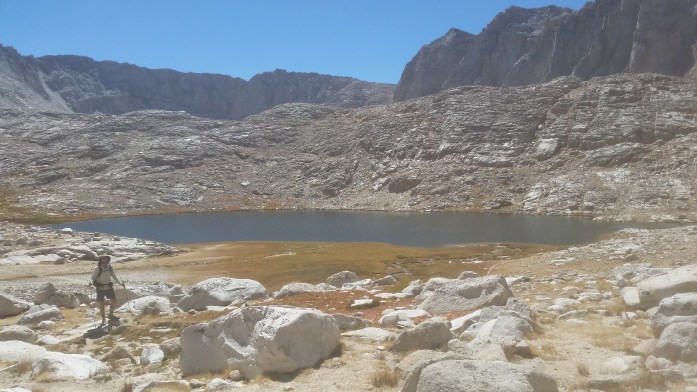
We climbed without seeing too many people as we assumed they had gotten a much earlier start than we did. Up and up we went passing glacial lakes and staring at intricate designs of granite. Whitney’s summit was not in view, but I knew my work was ahead of me as I looked at the surrounding peaks knowing I would be higher than any of the peaks I could see. The higher we climbed, the more mountains came into view many of them over 14,000 ft. We began to notice more and more people as we neared the Whitney Portal, the most common place for hikers to begin and end their summit trip. We were surprised to reach the summit at 2:30, just three and a half hours after we began the climb. By this time, however, several dark clouds darkened the sky leaving little time to enjoy the summit. After a few quick pictures and signing the logbook, we turned back around. We were numbers 80 and 81 to reach the summit that day.

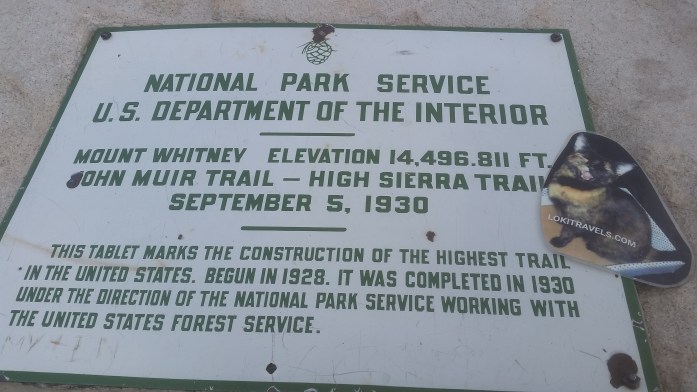
Just as we left the top, the snow began. We were both grateful for snow over rain as we made our way down the mountain. It was nearing 6:00 when we got back to camp, and thankfully the precipitation stopped. Both drained, we went to bed early thinking about the long day ahead of us the next day as we would be climbing Forester Pass, the highest pass on the PCT at 13,200 ft. This would be the first of a series of high altitude passes.
We awoke early, but remained in our tent a little later than usual. Mornings at 10,000+ ft make breaking out of the sleeping bag a little more difficult. Not only had the sun been setting earlier as fall was approaching, the sun was rising later. Summer truly was ending, and those long days were over.
We began our day a little later than usual, still hoping to accomplish a 20+ mile day. From Whitney, trail traffic sharply increased as we were now on the section of the that coincides with the John Muir Trail. It seemed our views only got better and better as we walked, but I resented how little time we took to truly take in our surroundings. The short days, long climbs, and desire to finish walking all added up to not having “extra” time to sit and enjoy.

By midafternoon, we conquered Forester Pass in total awe of the mountains that encompassed us. The clouds began to grow in the sky, and our doubts and fears grew with them. No less than a dozen southbound JMT hikers had warned us of incoming weather for tomorrow or the next day. Temperatures were dropping, and we questioned exactly what we were physically and mentally prepared to deal with. Rain? Freezing rain? Snow?

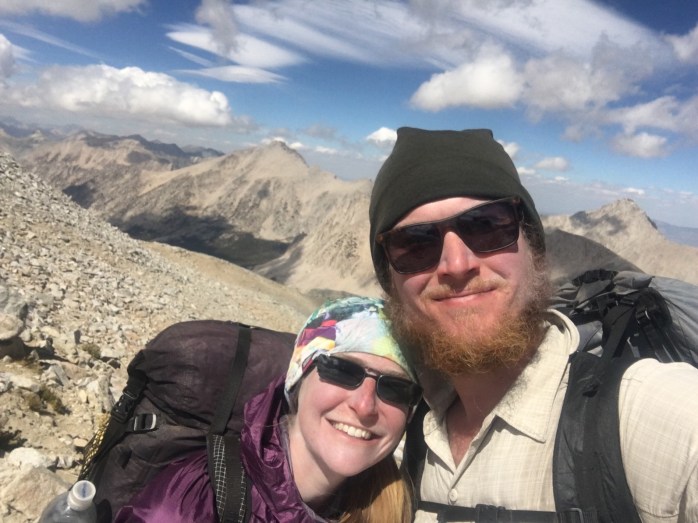
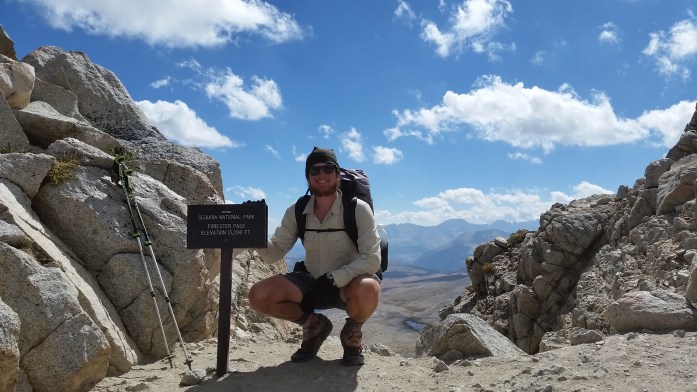
We began the next day closer to 8:00 which was seemingly becoming our new normal. We were only a couple miles from a trail intersection which would take us 8 miles over Kearsarge Pass and down into Onion Valley Campground. From there, we hoped to hitch our way to Bishop.

Again, it didn’t take too long to find a ride, and just as we were getting into the car, rain started to fall. We were relieved to have dodged the weather bullet. The High Sierra weather report indicated freezing temps and snow above 8,000 ft which made our Bishop hotel room seem that much more cozy.
Sean took the opportunity to buy a new top and bottom base layer at a local outfitter. Our r&r time flew by once more, and we soon found ourselves hitchhiking back to Onion Valley Campground with enough food to get us to Mammoth Lakes.
The thought of 370 more miles weighed on my mind and body. I knew I could do it, but I began asking myself, do I really want to do this anymore? Do I want to walk through this world class trail unhappy, unmotivated, uninspired in order to achieve the arbitrary goal of a complete thru-hike? I did my best to push these thoughts away.
Onward to Mammoth.
 Infinite Geography